
Can I Take Magnesium and Zinc at the Same Time?
By AT2A7 min read

Many people who want to support their daily physical performance and recovery often ask: can I take magnesium and zinc at the same time? These two essential minerals are vital for hundreds of daily processes in the human body. From supporting normal muscle function to maintaining a healthy immune system, both nutrients play indispensable roles in keeping you feeling your best.
Taking multiple supplements can sometimes feel complicated, especially when you hear conflicting advice about nutrient absorption. Some sources suggest that minerals compete with one another, while others highlight the benefits of combining them. The truth lies in the balance and the specific amounts you consume. When taken in moderate, balanced quantities, these two minerals can easily coexist in your daily regimen without causing any absorption issues.
How Magnesium and Zinc Interact in the Body
To understand how these minerals behave when taken together, we must look at how the digestive tract absorbs them. Both minerals are absorbed in the small intestine, where they rely on specific transport proteins to enter the bloodstream. Because they share similar pathways, there is a theoretical possibility of competition if one mineral is present in overwhelming amounts. However, this competition typically only occurs when you take exceptionally high doses of one mineral without a corresponding increase in the other.
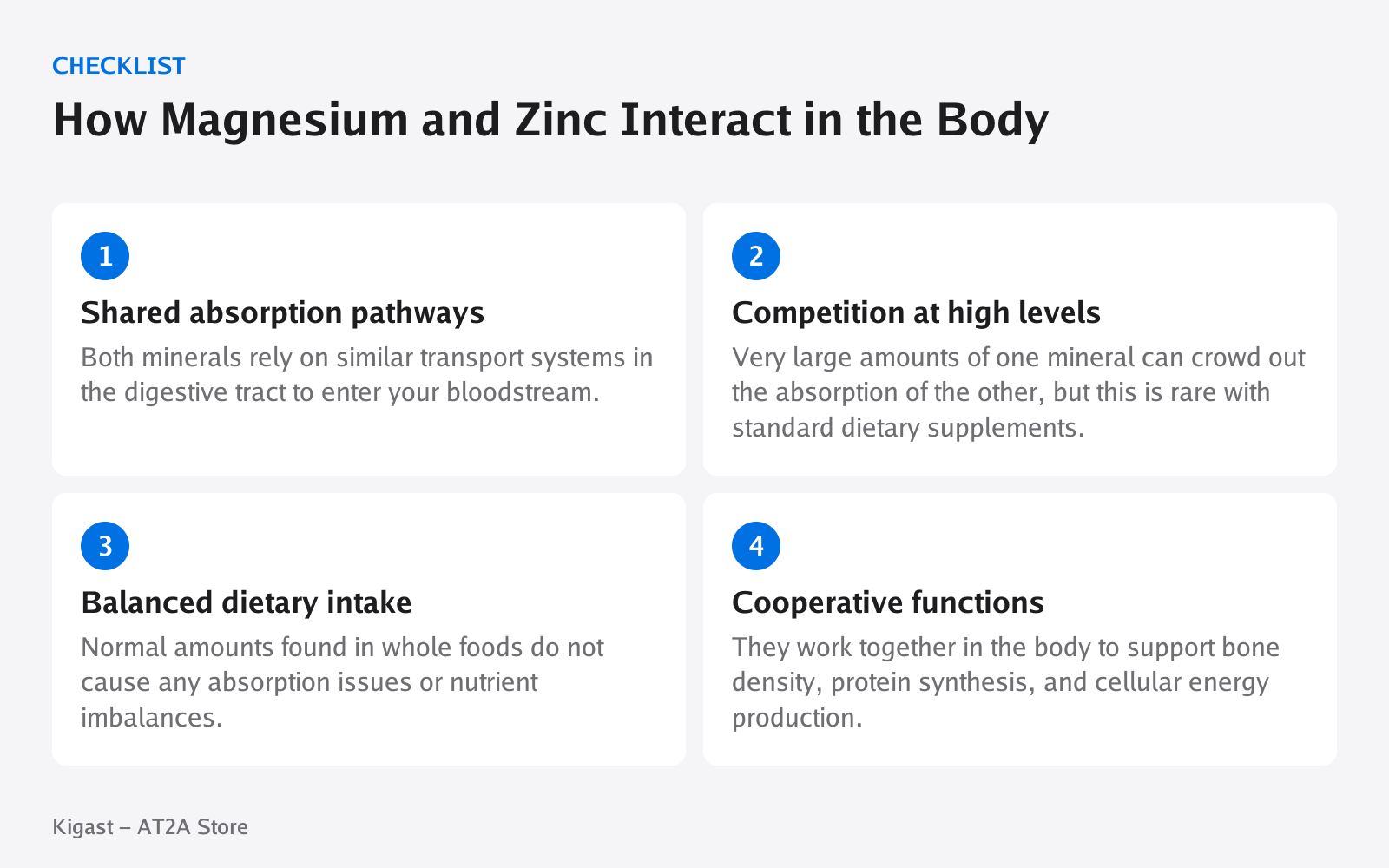
- Shared absorption pathways: Both minerals rely on similar transport systems in the digestive tract to enter your bloodstream.
- Competition at high levels: Very large amounts of one mineral can crowd out the absorption of the other, but this is rare with standard dietary supplements.
- Balanced dietary intake: Normal amounts found in whole foods do not cause any absorption issues or nutrient imbalances.
- Cooperative functions: They work together in the body to support bone density, protein synthesis, and cellular energy production.
Can I Take Magnesium and Zinc at the Same Time Safely?
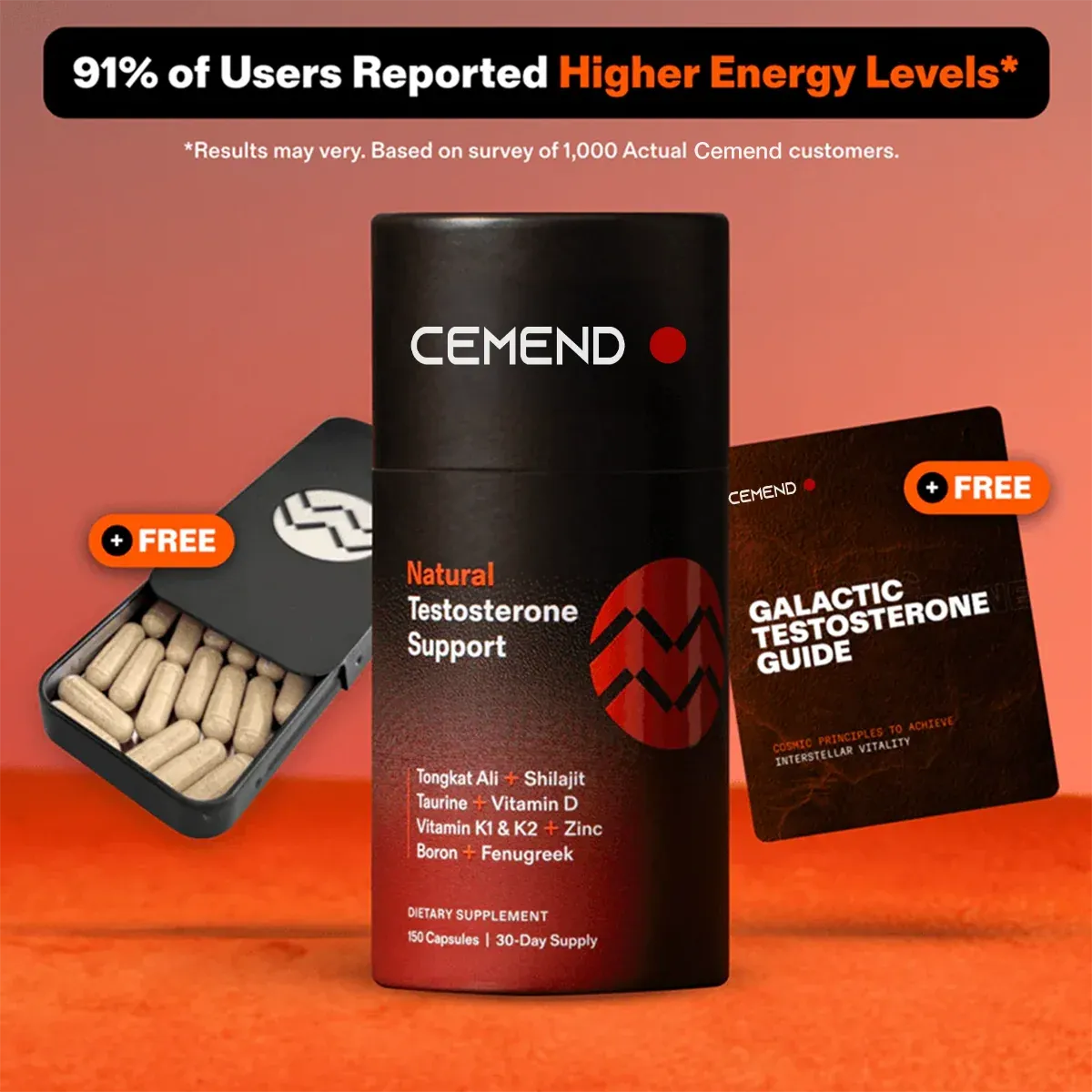
Yes, it is entirely safe for most healthy individuals to take these two minerals together. Many high-quality dietary supplements are formulated with both ingredients to provide comprehensive support for active individuals. For instance, CEMEND Natural Testosterone Support is a vegetarian capsule supplement that includes zinc alongside other supportive ingredients like shilajit, taurine, boron, fenugreek, and vitamins D, K1, and K2. This combination is designed to support normal testosterone levels and overall physical vitality, showing how these nutrients can be safely packaged together.
When choosing a combined supplement, it is important to read the label facts carefully. Look for products that list the exact forms of each mineral and their respective amounts. A well-formulated supplement will provide balanced ratios that do not overwhelm your digestive system. If you prefer to take them as separate supplements, you can still take them at the same time, provided you stay within the recommended daily intake guidelines.
For those who want to support their daily energy and vitality in other ways, combining minerals with herbal supplements can also be beneficial. For example, you might pair your mineral routine with ORANIC EXTRACT® 3-in-1 Wellness Gummies, which combine shilajit, sea moss, and ashwagandha, plus lion's mane, in a convenient daily gummy. This allows you to support different aspects of your physical well-being, from muscle recovery to stress management, using complementary products.

Choosing the Right Forms of Magnesium and Zinc
Not all mineral supplements are created equal. The specific chemical form of the mineral determines how easily your body can absorb and utilize it. Some forms are highly bioavailable, meaning they enter your system quickly and efficiently, while others are less soluble and may cause mild digestive discomfort if taken in large amounts. Understanding these differences can help you select the best product for your needs.
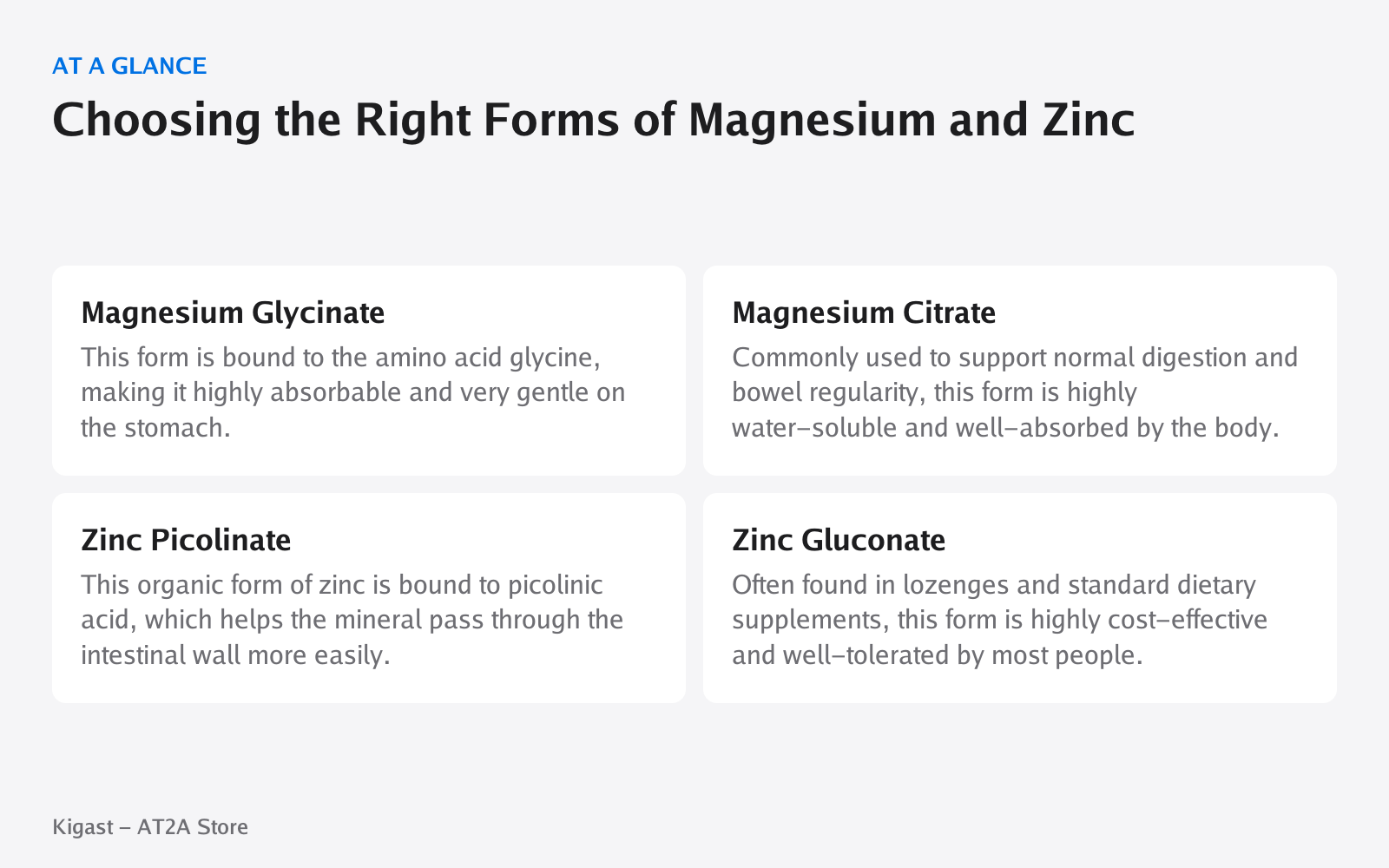
Magnesium Glycinate
This form is bound to the amino acid glycine, making it highly absorbable and very gentle on the stomach. It is often recommended for those who want to support muscle relaxation and sleep quality without experiencing digestive issues.
Magnesium Citrate
Commonly used to support normal digestion and bowel regularity, this form is highly water-soluble and well-absorbed by the body. However, because it draws water into the intestines, it can have a mild laxative effect in larger amounts.
Zinc Picolinate
This organic form of zinc is bound to picolinic acid, which helps the mineral pass through the intestinal wall more easily. It is widely regarded as one of the most bioavailable forms of zinc available on the market.
Zinc Gluconate
Often found in lozenges and standard dietary supplements, this form is highly cost-effective and well-tolerated by most people. It is a reliable choice for supporting daily immune function and cellular health.
How to Fit These Minerals Into Your Daily Routine
Establishing a consistent routine is the best way to experience the benefits of mineral supplementation. While you can take them together, the timing of your doses can influence how comfortable they are on your stomach and how well they support your daily activities. Many people find that splitting their doses or taking them at specific times of day works best for their lifestyle.
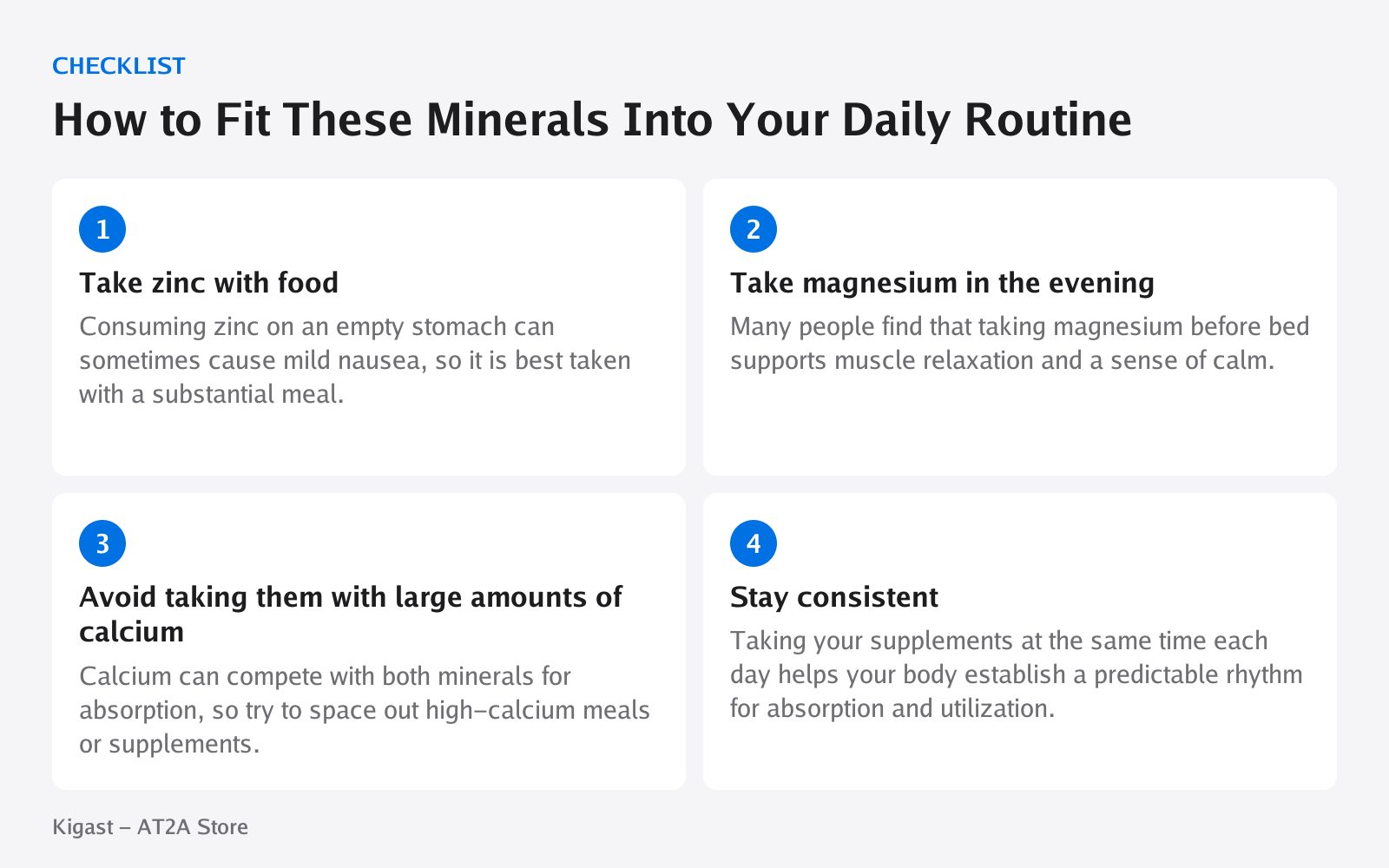
- Take zinc with food: Consuming zinc on an empty stomach can sometimes cause mild nausea, so it is best taken with a substantial meal.
- Take magnesium in the evening: Many people find that taking magnesium before bed supports muscle relaxation and a sense of calm.
- Avoid taking them with large amounts of calcium: Calcium can compete with both minerals for absorption, so try to space out high-calcium meals or supplements.
- Stay consistent: Taking your supplements at the same time each day helps your body establish a predictable rhythm for absorption and utilization.
Who Should Consult a Doctor Before Supplementing?
While magnesium and zinc are essential nutrients that are generally safe for the public, certain individuals should exercise caution before starting a new supplement routine. Introducing concentrated amounts of minerals can affect how your body processes other substances, and in some cases, it can interact with prescription medications. Consulting a healthcare professional ensures that your supplement choices are safe and appropriate for your specific health profile.

People with Kidney Concerns
The kidneys are responsible for filtering excess minerals out of the bloodstream. If your kidney function is compromised, taking mineral supplements can lead to a buildup of these elements in your body, which can be harmful.
Those Taking Antibiotics
Both minerals can bind to certain types of antibiotics in the digestive tract, blocking the medication from being absorbed properly. To avoid this, you should space your supplements and medications several hours apart.
Individuals on Blood Pressure Medications
Magnesium can influence blood vessel relaxation and blood pressure. If you are taking prescription medications for blood pressure, adding a magnesium supplement could cause your levels to drop lower than intended.
Frequently asked questions
Can I take magnesium and zinc with vitamin D?
Yes, you can safely take these three nutrients together. Vitamin D supports calcium absorption and works cooperatively with magnesium and zinc to maintain strong bones and support normal immune system function. Many comprehensive daily supplements combine these ingredients for convenience.
Should I take zinc and magnesium on an empty stomach?
It is generally recommended to take zinc with a meal, as taking it on an empty stomach can cause temporary nausea or digestive discomfort. Magnesium can be taken with or without food, depending on your personal digestive sensitivity and preference.
What is the best time of day to take these minerals?
Many people find it beneficial to take zinc with breakfast or lunch to support daytime metabolic processes, and magnesium in the evening with dinner or before bed to support muscle relaxation and restful sleep.
Do magnesium and zinc compete for absorption?
They only compete for absorption when taken in very high doses that exceed normal dietary recommendations. At standard, balanced supplement levels, your body can easily absorb both minerals at the same time without any interference.
Sources
- Magnesium: Fact Sheet for Health Professionals — National Institutes of Health Office of Dietary Supplements
- Zinc: Fact Sheet for Health Professionals — National Institutes of Health Office of Dietary Supplements
- Ashwagandha — National Center for Complementary and Integrative Health
A note on these statements
These statements have not been evaluated by the Food and Drug Administration. This product is not intended to diagnose, treat, cure, or prevent any disease. Talk to your doctor or pharmacist before starting a supplement, especially if you are pregnant, nursing, take medication or have a medical condition.