
Should I Take Creatine Before or After a Workout?
By AT2A6 min read

Deciding when to take your supplements can feel like a puzzle, especially when you want to get the most out of your exercise routine. If you are asking yourself, should I take creatine before or after a workout?, you are not alone. Many active individuals look for the best timing to support their physical performance and recovery. Finding a routine that fits your lifestyle is key to staying consistent, which is the most important part of any dietary supplement plan.
Creatine is a naturally occurring compound that helps supply energy to your cells, particularly during short bursts of intense activity. While some people prefer to take it as a pre-workout ritual, others find that consuming it post-workout fits their schedule better. The choice often comes down to personal preference and how your body responds. By understanding how this compound works, you can make an informed decision that aligns with your fitness goals.
To make your routine easier, options like Enerzaa Creatine Complex Gummies offer a simple way to consume creatine monohydrate and electrolytes without mixing powders. These chewable options are convenient for busy days. After a long session at the gym, you might also want to refresh your personal scent with a few drops of For Her perfume oil to transition back into your day. This floral amber scent can help you feel clean and confident after a hard training session.


Understanding how creatine works in the body
To understand the timing of your supplement, it helps to know what happens inside your muscles when you consume it. Your body naturally produces a small amount of this compound, and you also get it from foods like red meat and seafood. Once inside the body, it is stored in your skeletal muscles as phosphocreatine. During high-intensity exercise, such as sprinting or heavy lifting, your muscles use this stored compound to quickly produce energy. Supplementing regularly helps to saturate these muscle stores, ensuring you have a ready supply of energy when you need it most.
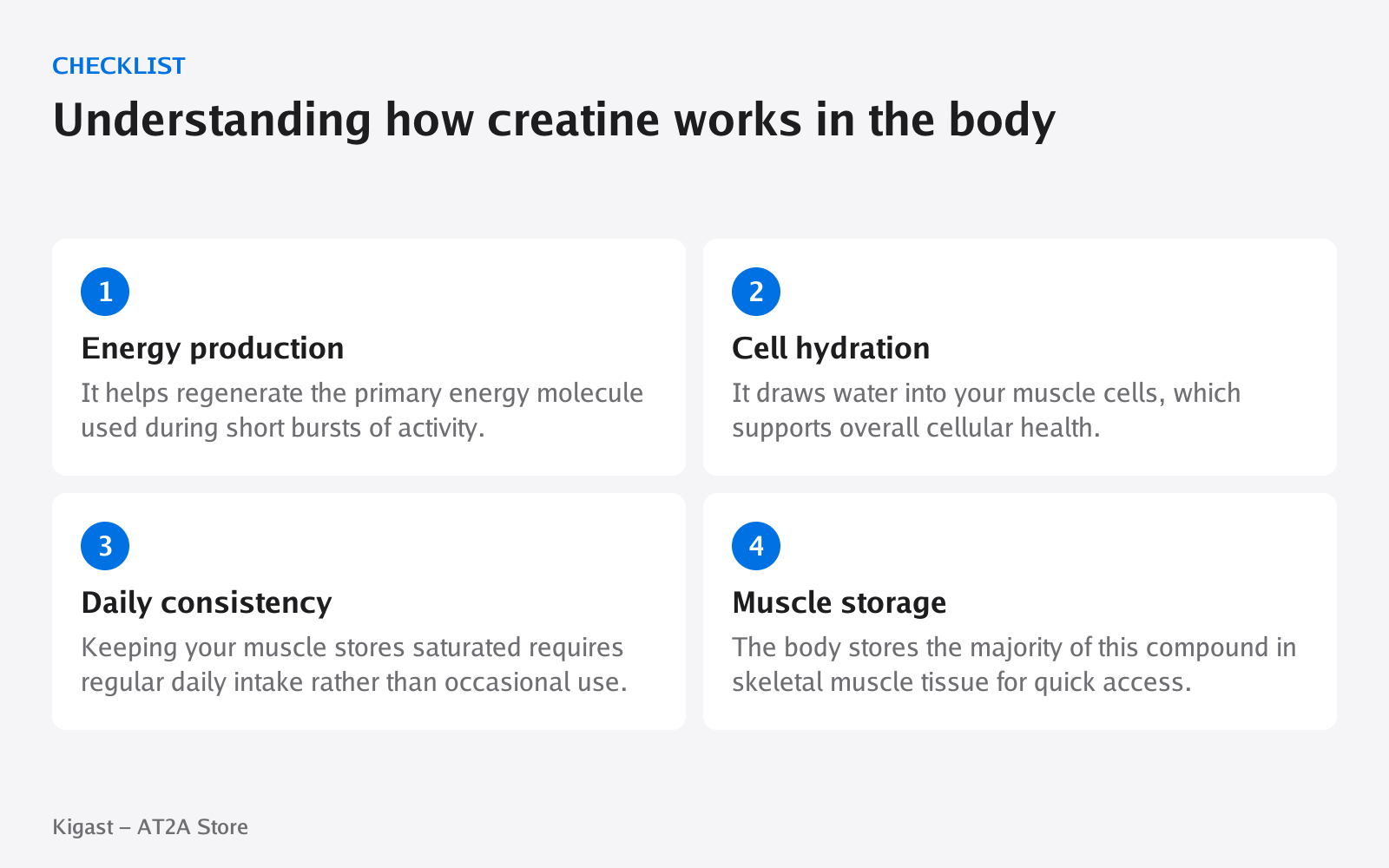
- Energy production: It helps regenerate the primary energy molecule used during short bursts of activity.
- Cell hydration: It draws water into your muscle cells, which supports overall cellular health.
- Daily consistency: Keeping your muscle stores saturated requires regular daily intake rather than occasional use.
- Muscle storage: The body stores the majority of this compound in skeletal muscle tissue for quick access.
Should I take creatine before or after a workout?
The debate between taking this supplement before or after exercise has been ongoing in the fitness community. Some argue that taking it before a workout ensures that your muscles have a fresh supply of energy ready for the upcoming physical effort. Others believe that taking it afterward is superior because your muscles are more receptive to absorbing nutrients after being depleted. Research suggests that both approaches have merit, but taking it post-workout may offer a slight edge in supporting muscle strength and recovery.
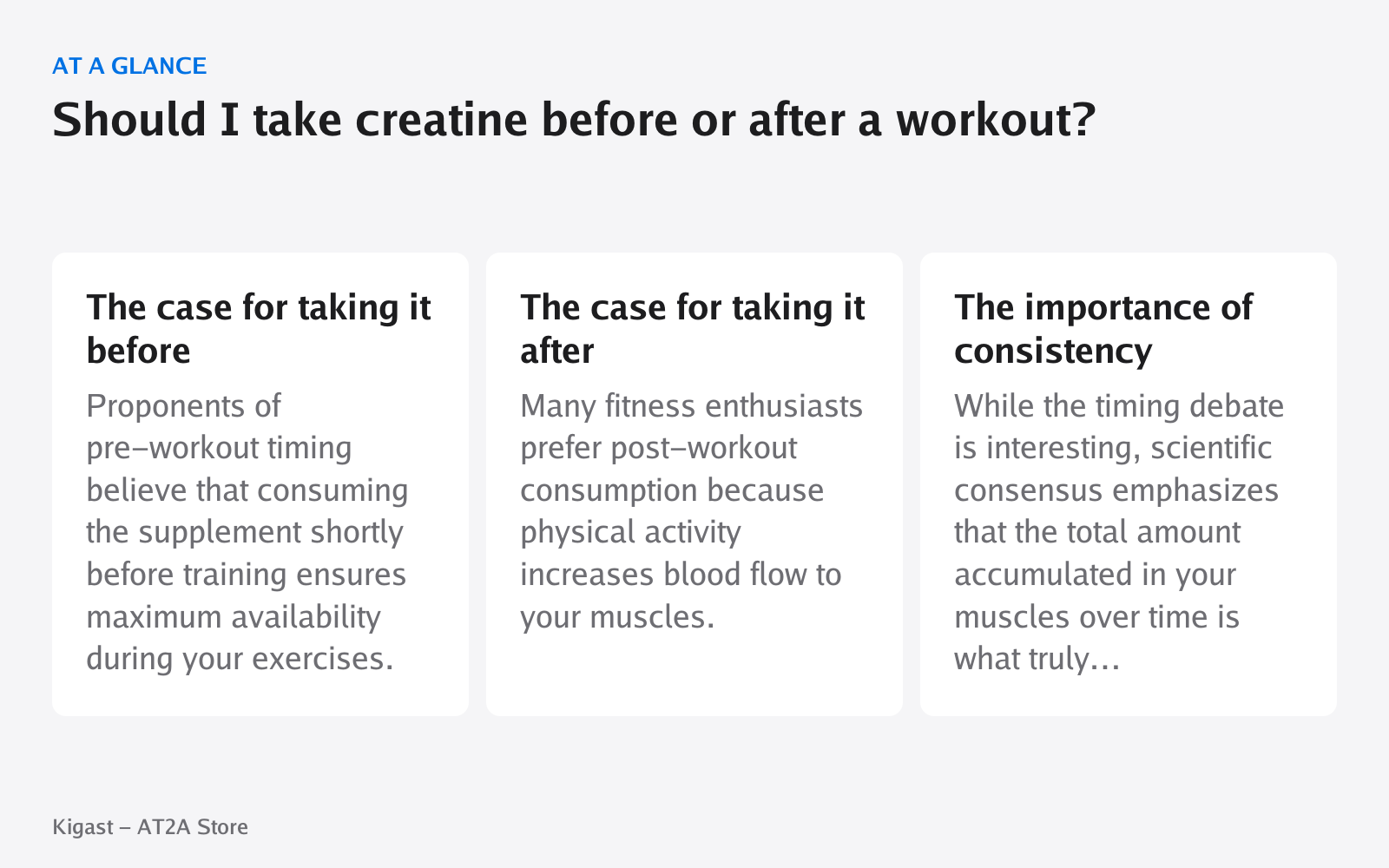
The case for taking it before
Proponents of pre-workout timing believe that consuming the supplement shortly before training ensures maximum availability during your exercises. This approach is popular among those who like to combine all their performance supplements into a single pre-workout drink or snack. It can help establish a mental routine that prepares you for the physical exertion ahead.
The case for taking it after
Many fitness enthusiasts prefer post-workout consumption because physical activity increases blood flow to your muscles. This increased circulation may help deliver the compound to your muscle cells more efficiently. Additionally, consuming it alongside a post-workout meal containing carbohydrates and protein can enhance absorption, making it an excellent addition to your recovery routine.
The importance of consistency
While the timing debate is interesting, scientific consensus emphasizes that the total amount accumulated in your muscles over time is what truly matters. Whether you choose morning, evening, before, or after your training, the key is to take it every single day. Missing days can cause your muscle stores to gradually decline, reducing the overall benefits of the supplement.
How to choose the right form of creatine
When selecting a supplement, you will find several forms available on the market. The most common and thoroughly researched form is monohydrate. It is highly stable, well-absorbed by the body, and has been used by athletes for decades. However, the delivery method can vary, and choosing one that fits your lifestyle will help you maintain the consistency needed for the best results.
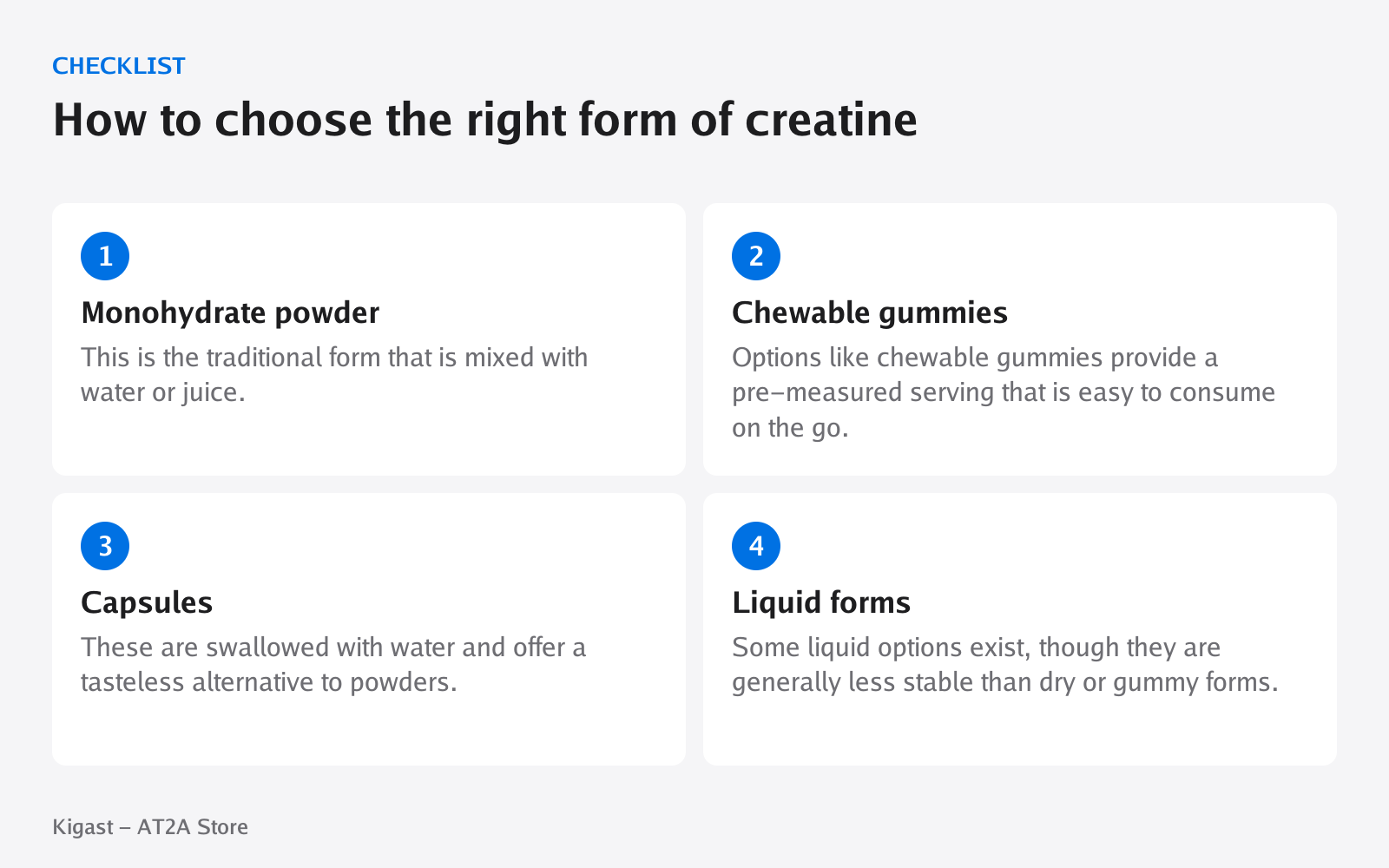
- Monohydrate powder: This is the traditional form that is mixed with water or juice.
- Chewable gummies: Options like chewable gummies provide a pre-measured serving that is easy to consume on the go.
- Capsules: These are swallowed with water and offer a tasteless alternative to powders.
- Liquid forms: Some liquid options exist, though they are generally less stable than dry or gummy forms.
Integrating creatine into your daily routine
Establishing a new habit can be challenging, but pairing your supplement with an existing daily routine can make it much easier. Whether you are a morning person who works out early or a night owl who trains after work, finding a consistent anchor point in your day will help you remember to take your serving.
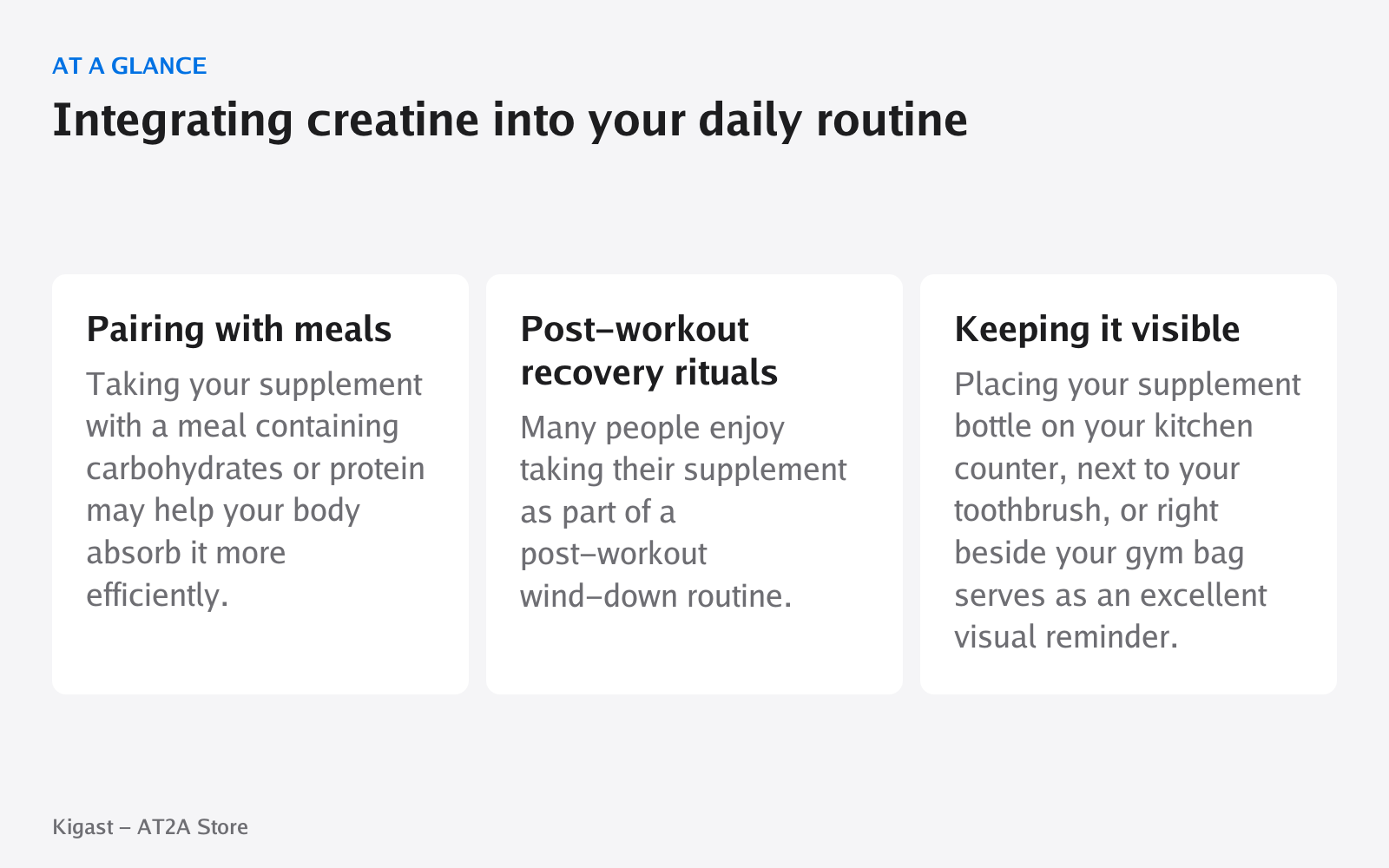
Pairing with meals
Taking your supplement with a meal containing carbohydrates or protein may help your body absorb it more efficiently. The natural rise in insulin that occurs after eating helps transport the compound into your muscle cells. You can easily enjoy a serving with your breakfast or your post-workout dinner.
Post-workout recovery rituals
Many people enjoy taking their supplement as part of a post-workout wind-down routine. After a strenuous session, you can consume your serving, take a refreshing shower, and apply a few drops of a pleasant scent to transition back into your day. This helps create a positive association with your fitness routine.
Keeping it visible
Placing your supplement bottle on your kitchen counter, next to your toothbrush, or right beside your gym bag serves as an excellent visual reminder. If it is tucked away in a cupboard, you are much more likely to forget it. Keeping it in plain sight ensures you maintain your daily habit.
Who should consult a doctor before starting
While this supplement is widely considered safe for most healthy individuals, it is always wise to speak with a healthcare professional before adding any new product to your daily regimen. This is especially important if you have pre-existing health conditions or take other daily medications. A doctor can provide personalized guidance based on your health history.
- Kidney health: Individuals with a history of kidney issues should seek medical advice first.
- Medication interactions: A doctor can check if the supplement interacts with any prescription drugs you take.
- Pregnancy and nursing: Those who are pregnant or nursing should consult their healthcare provider before use.
- Underlying conditions: Anyone with chronic health concerns should discuss supplementation with their physician.
Frequently asked questions
Can I take creatine on rest days?
Yes, it is important to take it on rest days to maintain the saturation levels in your muscles. Skipping rest days can slowly deplete your muscle stores over time.
Do I need to load creatine?
A loading phase is not strictly necessary. Taking a consistent daily amount will gradually saturate your muscles over several weeks without the need for high initial doses.
Should I take it with water?
Yes, staying well-hydrated is crucial when taking this supplement because it draws water into your muscle cells. Be sure to drink plenty of fluids throughout the day.
Can I mix it with other supplements?
Many people mix it with protein shakes or pre-workout drinks, but chewable options can be taken on their own without mixing any liquids.
Sources
- The effects of pre versus post workout supplementation of creatine monohydrate on body composition and strength — PubMed
- Common questions and misconceptions about creatine supplementation: what does the scientific evidence really show? — PubMed Central
- Dietary Supplements for Exercise and Athletic Performance — National Institutes of Health Office of Dietary Supplements
A note on these statements
These statements have not been evaluated by the Food and Drug Administration. This product is not intended to diagnose, treat, cure, or prevent any disease. Talk to your doctor or pharmacist before starting a supplement, especially if you are pregnant, nursing, take medication or have a medical condition.