
Creatine Gummies vs Powder: Which Is Better, and How Much Do You Need?
By AT2AUpdated 6 min read
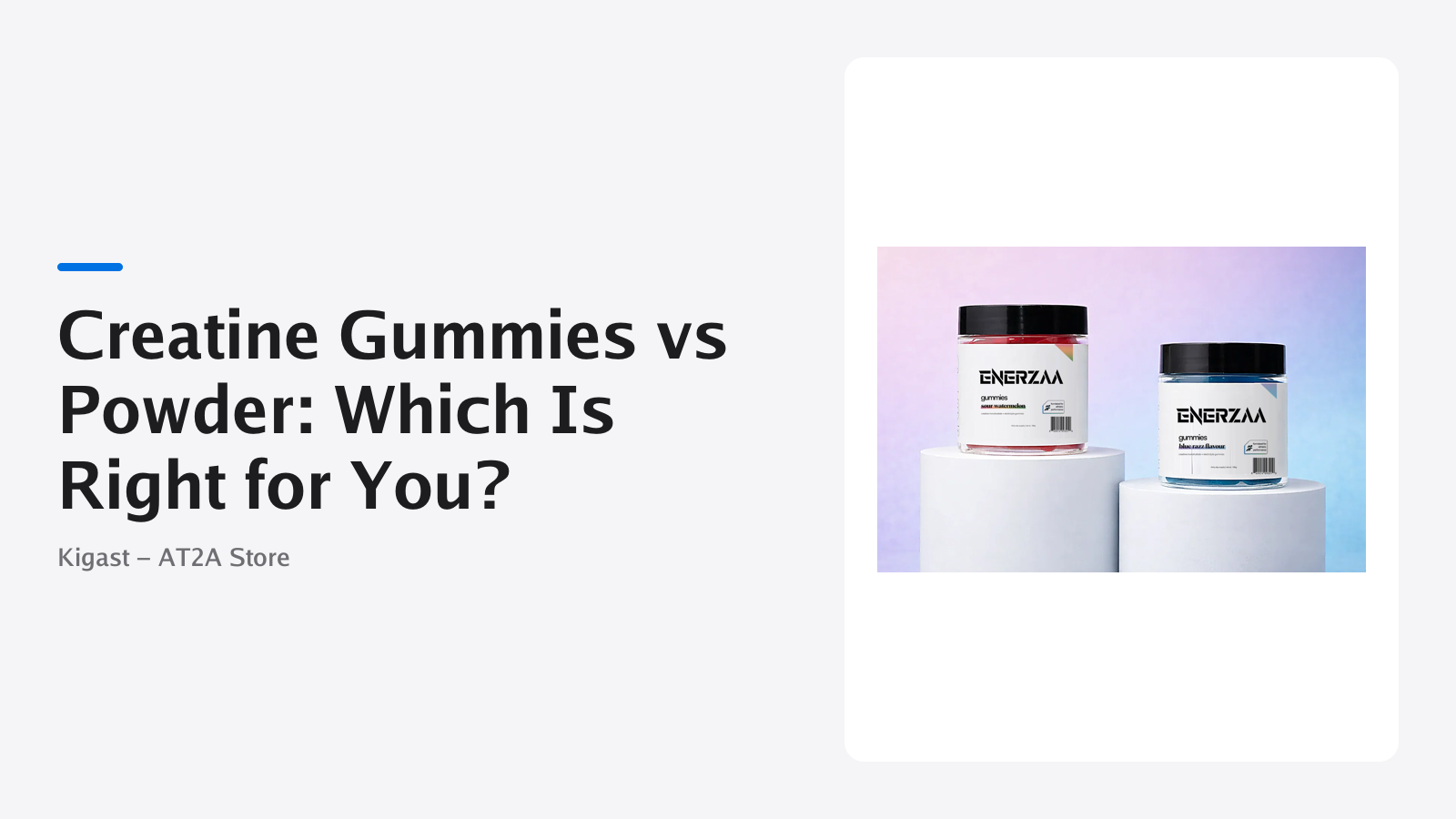
Creatine used to be something you scooped out of a big tub at the gym. Now it also comes as a chewable gummy. Whether you choose gummies or powder comes down to a few practical questions: how much creatine you actually get, what else is in the product, cost, and which one you will realistically take every day.
What is creatine monohydrate?
Creatine helps your muscles make ATP, the energy used for short, intense efforts. Your liver and kidneys make about 1 g a day, and foods such as beef, pork and salmon contain about 2 g per pound.1 Creatine monohydrate is the most studied form in research,2 and the form to look for on a label.
What does creatine do? What studies found
| Area | What studies used | What they found | Evidence strength |
|---|---|---|---|
| Strength and power in repeated short bursts | Loading (about 20 g a day for 5 to 7 days) and/or 3 to 5 g a day | Supports strength, power, sprinting and lifting performance in men and women | Strong1 |
| Endurance sports | Same amounts | Of little value for distance running or swimming; the weight gain may slow you down | Consistent: little benefit1 |
| Women who exercise | 34 studies, 692 participants | Possible small gains in strength, power and lean mass | Limited (low certainty)4 |
"Evidence strength" is our plain-language summary of the cited sources.
How much creatine should you take a day?
Two approaches are used in research:2
- Loading: about 0.3 g per kg of body weight a day (roughly 20 g, split into four 5 g doses) for 5 to 7 days, then 3 to 5 g a day to keep stores full. This is the quickest way to raise muscle creatine.
- No loading: 3 to 5 g a day from the start. Muscle stores rise more gradually, over about 3 to 4 weeks.
Larger athletes may need 5 to 10 g a day to maintain stores.2 Once you stop, muscle creatine generally takes 4 to 6 weeks to return to baseline.2
Plan when to take creatine with the AT2A supplement timing tool.
Are creatine gummies as good as creatine powder?
Both can deliver creatine monohydrate. The differences are convenience, dose per serving, extra ingredients and price.
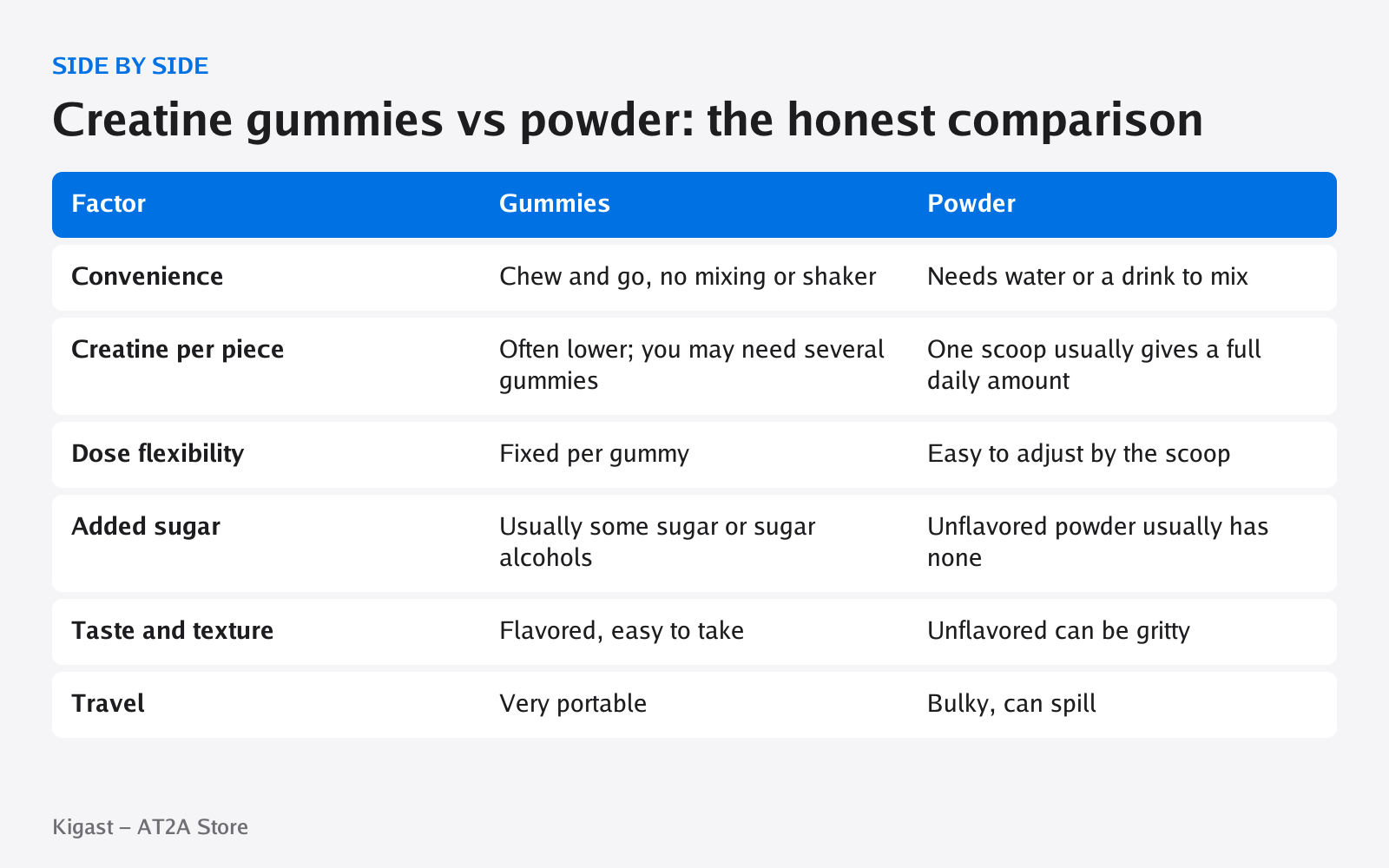
Where gummies win
People actually take them. A gummy that lives on your desk or in your bag may beat a tub of powder in the cupboard, and gummies suit people who dislike the gritty texture of powder.
Where powder wins
Powder is usually the cheapest way to get creatine, one scoop can deliver the full 3 to 5 g, and unflavored powder has no sugar, flavors or colorings.
The catch with gummies: check the grams
Creatine takes up room, so a single gummy holds only so much alongside the gelling agent, sweetener and flavor. Before you buy, find two numbers on the Supplement Facts panel: the serving size (how many gummies) and the grams of creatine per serving. Compare that with the 3 to 5 g a day used in research. Be wary of any product that hides the creatine amount inside a proprietary blend.
Should you take creatine before or after a workout?
It matters less than you might think. A 2021 review of creatine timing found only a few studies, with somewhat contradictory results; a few hint at a benefit from taking it after exercise, but the authors concluded that timing creatine around training is not supported by solid evidence.3 Taking creatine with carbohydrate, or carbohydrate and protein, has been reported to increase how much the muscles retain,2 so taking it with a meal or snack is a sensible habit. Take it on rest days too.
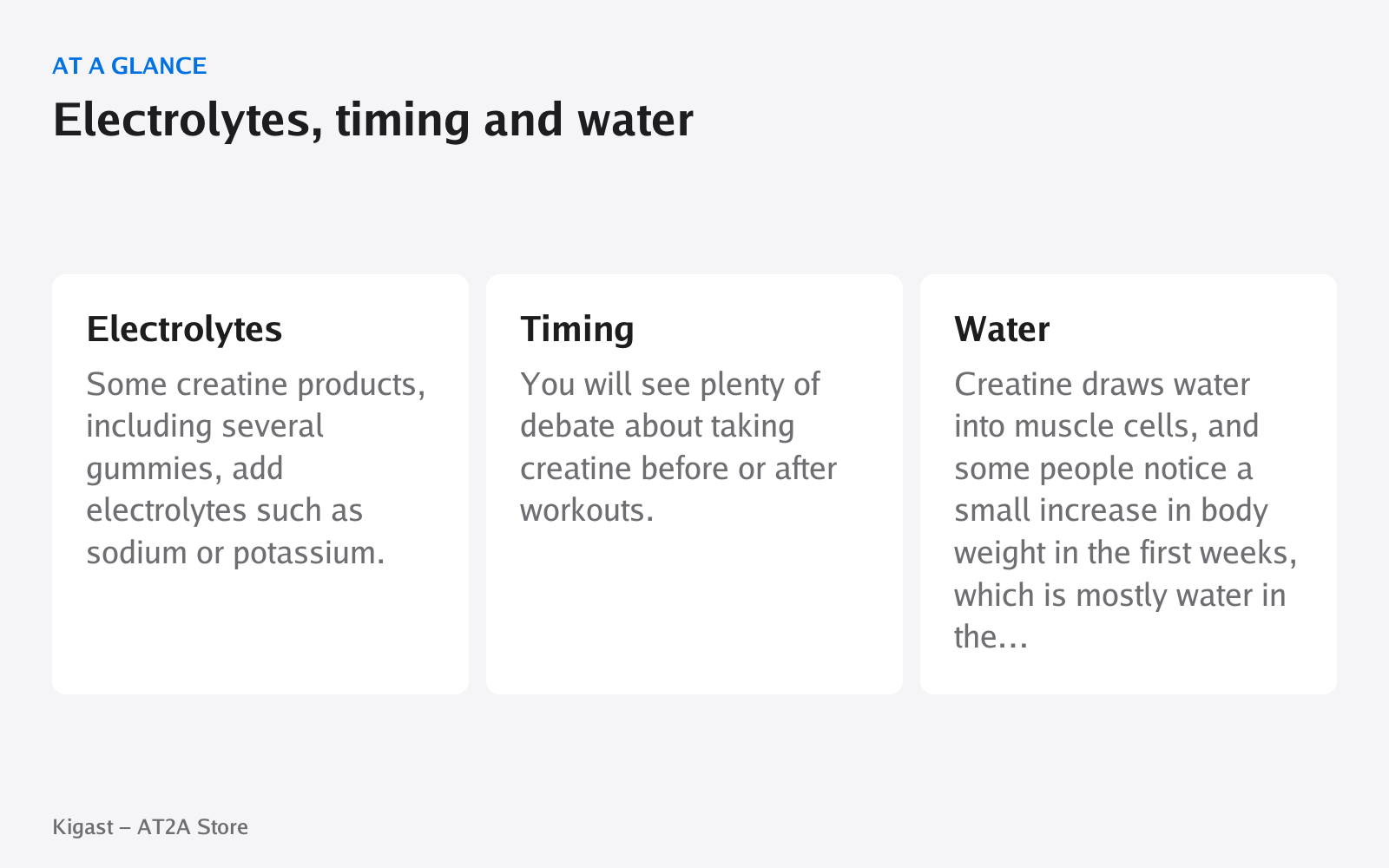
Electrolytes and water
Some creatine gummies add electrolytes, which are lost in sweat; check the sodium if you are watching your intake. Creatine holds a small amount of water in muscle, and drinking enough fluid may help reduce uncommon side effects.1
Is creatine good for women?
Yes, creatine is not a men-only supplement. A 2026 meta-analysis of 34 studies with 692 female participants found possible small gains in strength, power, high-intensity performance and lean mass, but certainty was low because studies were small and varied.4 Most older creatine research was done in men, and some studies suggest women may gain less strength or muscle from it.2
Is creatine safe? Side effects to know
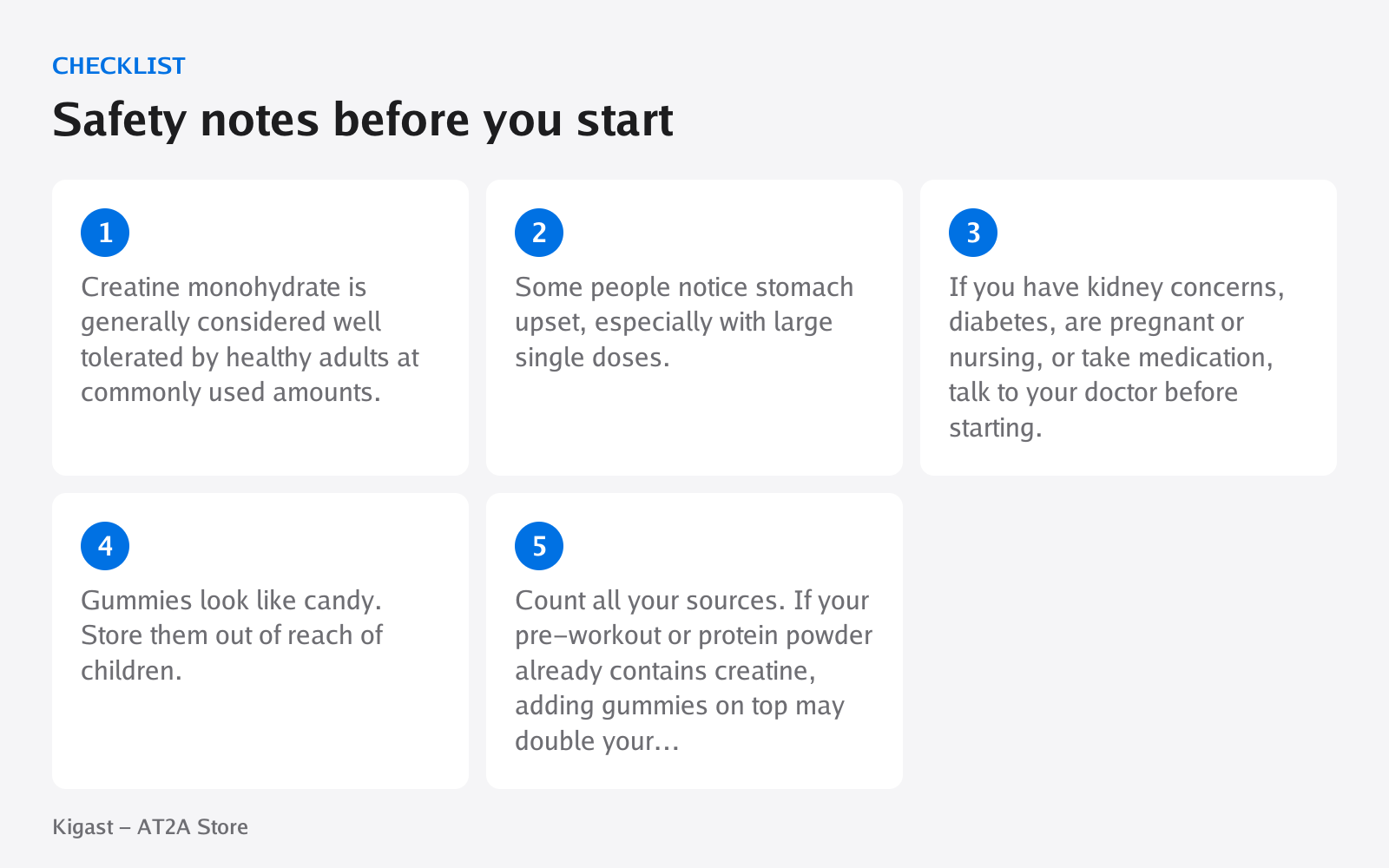
- Weight gain. Creatine used with strength training can add 1 to 2 kg of body weight in a month, mostly from water held in muscle.1
- Stomach upset and cramps. Nausea, diarrhea, muscle cramps and heat intolerance have been reported anecdotally.1
- Long-term use. Creatine is considered safe for short-term use by healthy adults, and evidence shows use for several years is safe.1
- Kidneys and medicines. If you have kidney disease or take medicines, talk to your doctor before starting. Ask first if you are pregnant or breastfeeding.
Creatine at AT2A
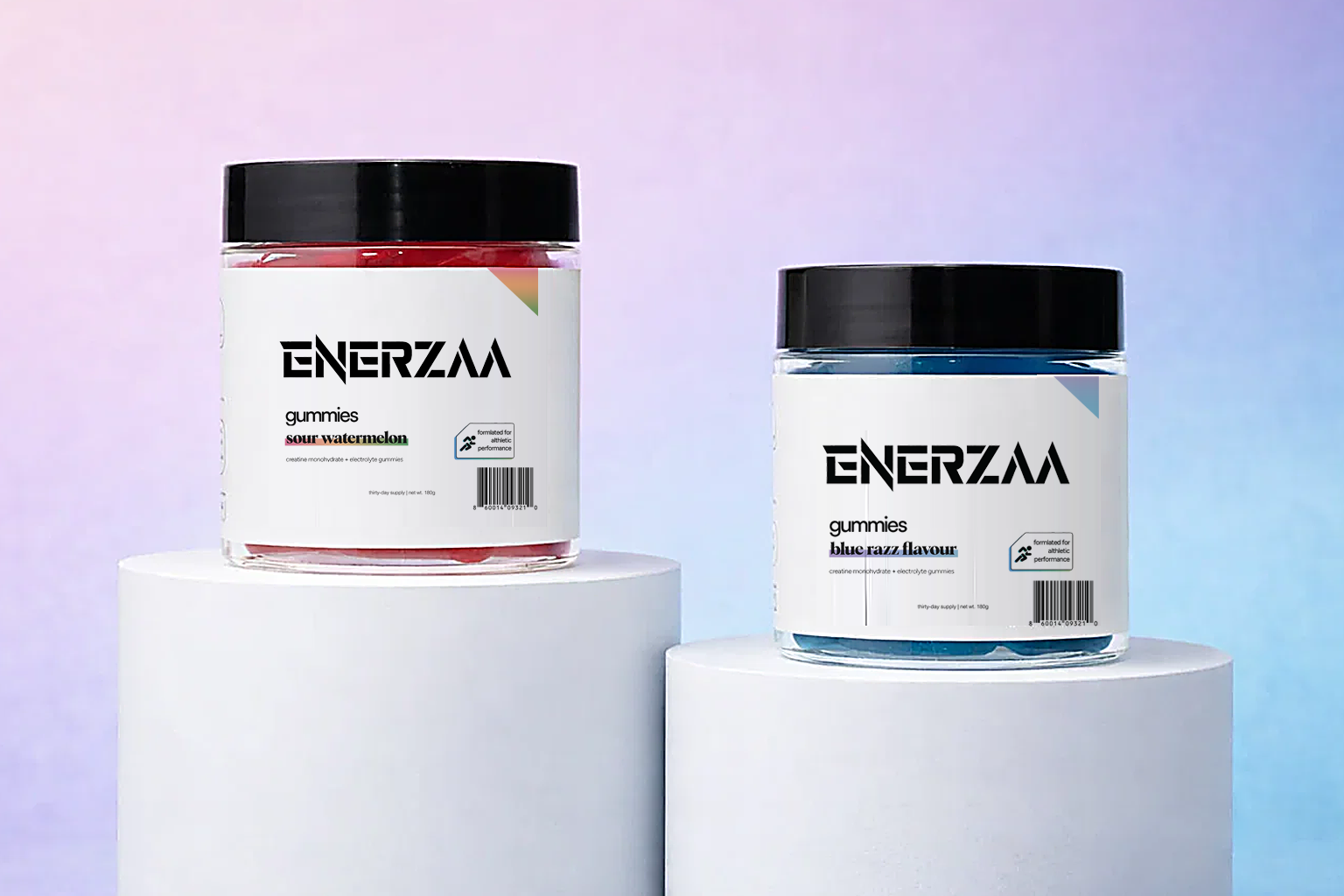
Enerzaa Creatine Complex Gummies are creatine monohydrate plus electrolyte gummies, labeled "formulated for athletic performance," in sour watermelon and blue razz flavors. Each jar is a thirty-day supply with a net weight of 180 g. Check the Supplement Facts panel for the grams of creatine per serving and compare it with the 3 to 5 g a day used in research.
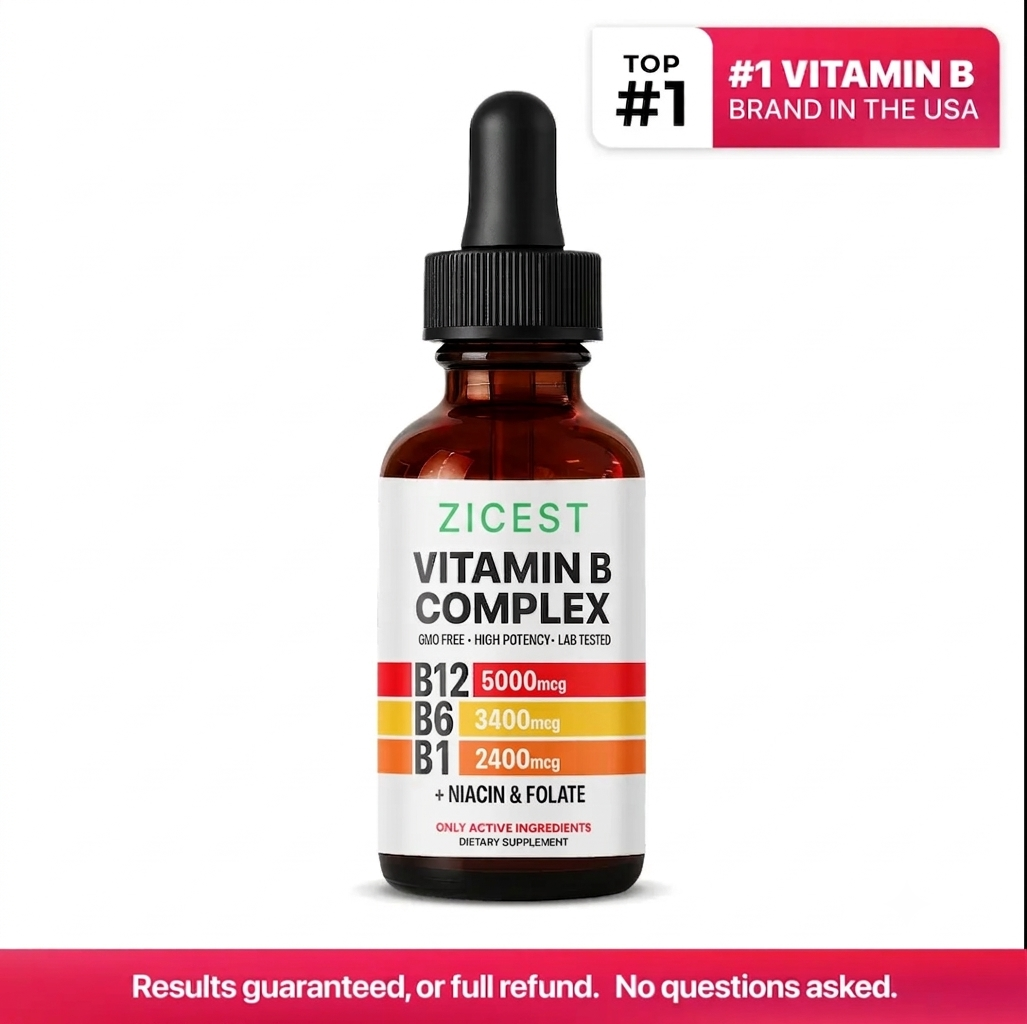
Also at AT2A: the 5-in-1 Vitamin B Complex liquid drops. Read our B complex guide first.
Frequently asked questions
Do creatine gummies work as well as powder?
Yes, if they give you the same amount of creatine monohydrate. Check the grams of creatine per serving; you may need several gummies to reach 3 to 5 g.
Do I need to load creatine?
No. Loading (about 20 g a day for 5 to 7 days) fills muscle stores fastest, but 3 to 5 g a day gets there over about 3 to 4 weeks.
Should I take creatine on rest days?
Yes. Creatine works by keeping muscle stores full, so take it every day, at any time you will remember.
Does creatine make you gain weight?
Often a little. Studies report 1 to 2 kg in the first month of strength training, mostly water held in muscle rather than fat.
Is creatine safe for women?
Research in women is smaller but points to possible small benefits, and creatine is considered safe for healthy adults. Ask your doctor first if you are pregnant or breastfeeding.
Sources
- Dietary Supplements for Exercise and Athletic Performance: Fact Sheet for Health Professionals, NIH Office of Dietary Supplements (accessed 2026-10-13)
- Kreider RB et al. International Society of Sports Nutrition position stand: safety and efficacy of creatine supplementation in exercise, sport, and medicine. JISSN, 2017, PubMed Central (accessed 2026-10-13)
- Ribeiro F et al. Timing of creatine supplementation around exercise: a real concern? Nutrients, 2021, PubMed Central (accessed 2026-10-13)
- Lin Y et al. Effects of creatine supplementation on exercise performance, physiological outcomes, and body composition in females engaged in exercise or training: a systematic review and multilevel meta-analysis. Frontiers in Nutrition, 2026, PubMed Central (accessed 2026-10-13)
These statements have not been evaluated by the Food and Drug Administration. This product is not intended to diagnose, treat, cure, or prevent any disease.