
Vitamin B Complex Benefits: What Each B Vitamin Does and How Much You Need
By AT2AUpdated 6 min read
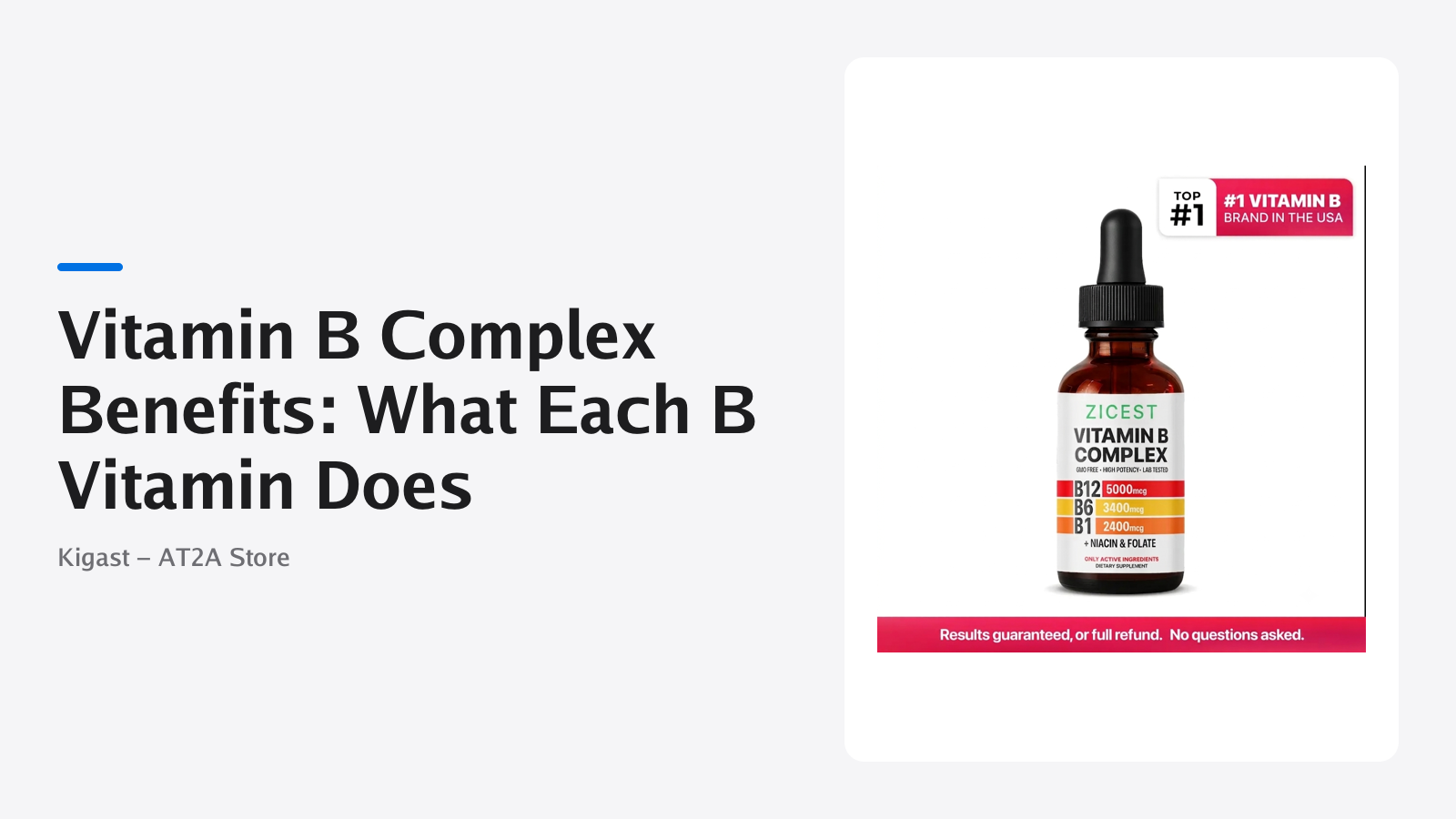
If you have ever stood in a supplement aisle wondering what "B complex" means, you are not alone. The eight B vitamins share a letter and often appear together on labels, but each has its own job. This guide covers the five you are most likely to see on a label, thiamin (B1), vitamin B6, vitamin B12, niacin (B3) and folate (B9): what each does, how much you need, the upper limits, and who may benefit from a supplement.
What is a vitamin B complex?
A B complex combines several B vitamins in one product. B vitamins are water soluble, and as a group they act as helpers (coenzymes) in the reactions that turn food into usable energy. Most people who eat a varied diet get enough from food; a supplement fills gaps rather than replacing a balanced diet.
What does each B vitamin do, and how much do you need?
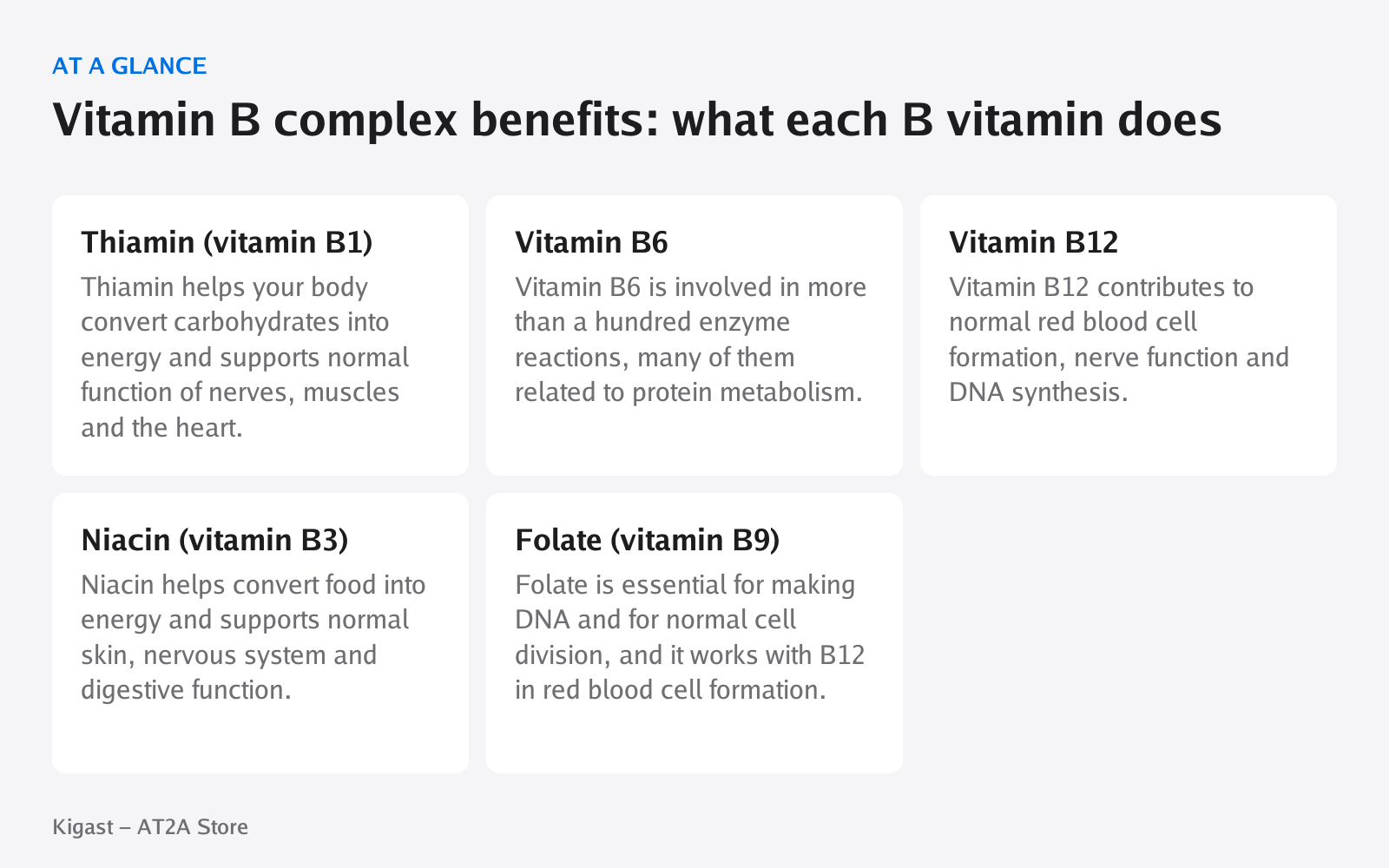
| Vitamin | Main roles | Adult daily need (RDA) | Upper limit (adults) |
|---|---|---|---|
| Thiamin (B1) | Turns carbohydrates into energy | 1.2 mg men, 1.1 mg women5 | None set5 |
| Vitamin B6 | More than 100 enzyme reactions, mostly protein metabolism2 | 1.3 to 1.7 mg, depending on age and sex2 | 100 mg2 |
| Vitamin B12 | Red blood cells, nerve function, DNA | 2.4 mcg1 | None set1 |
| Niacin (B3) | Turns food into energy | 16 mg men, 14 mg women (as niacin equivalents)4 | 35 mg from supplements and fortified foods4 |
| Folate (B9) | Making DNA and new cells | 400 mcg DFE3 | 1,000 mcg of folic acid3 |
Thiamin (vitamin B1)
Thiamin is found in whole grains, fortified cereals, pork, beans and seeds. No upper limit has been set because high intakes (50 mg a day or more) from food or supplements have not been linked to harm; the body excretes the excess in urine.5
Vitamin B6
Vitamin B6 takes part in more than 100 enzyme reactions, mostly involved in protein metabolism.2 Good sources include poultry, fish, potatoes and chickpeas.
Vitamin B12
Vitamin B12 is found naturally in animal foods and in fortified foods such as some breakfast cereals and nutritional yeasts.1 Supplements hold far more than the 2.4 mcg daily need because absorption from large doses is low: about 2% of a 500 mcg dose and 1.3% of a 1,000 mcg dose.1 No upper limit has been set because B12 has low potential for toxicity.1
Niacin (vitamin B3)
Niacin comes from poultry, fish, peanuts, whole grains and fortified foods. The nicotinic acid form can cause skin flushing at 30 to 50 mg or more; the nicotinamide form does not.4
Folate (vitamin B9)
Folate is especially important before and during early pregnancy. Health experts advise anyone who could become pregnant to get 400 mcg of folic acid a day from supplements, fortified foods or both, on top of folate from food.3
Does vitamin B complex give you energy?
Only if you are short. B vitamins help your body use energy from food, but B12 supplements appear to have no benefit for performance in people who already get enough.1 If you feel tired all the time, see a doctor rather than relying on a supplement.
Who may need a B complex supplement?
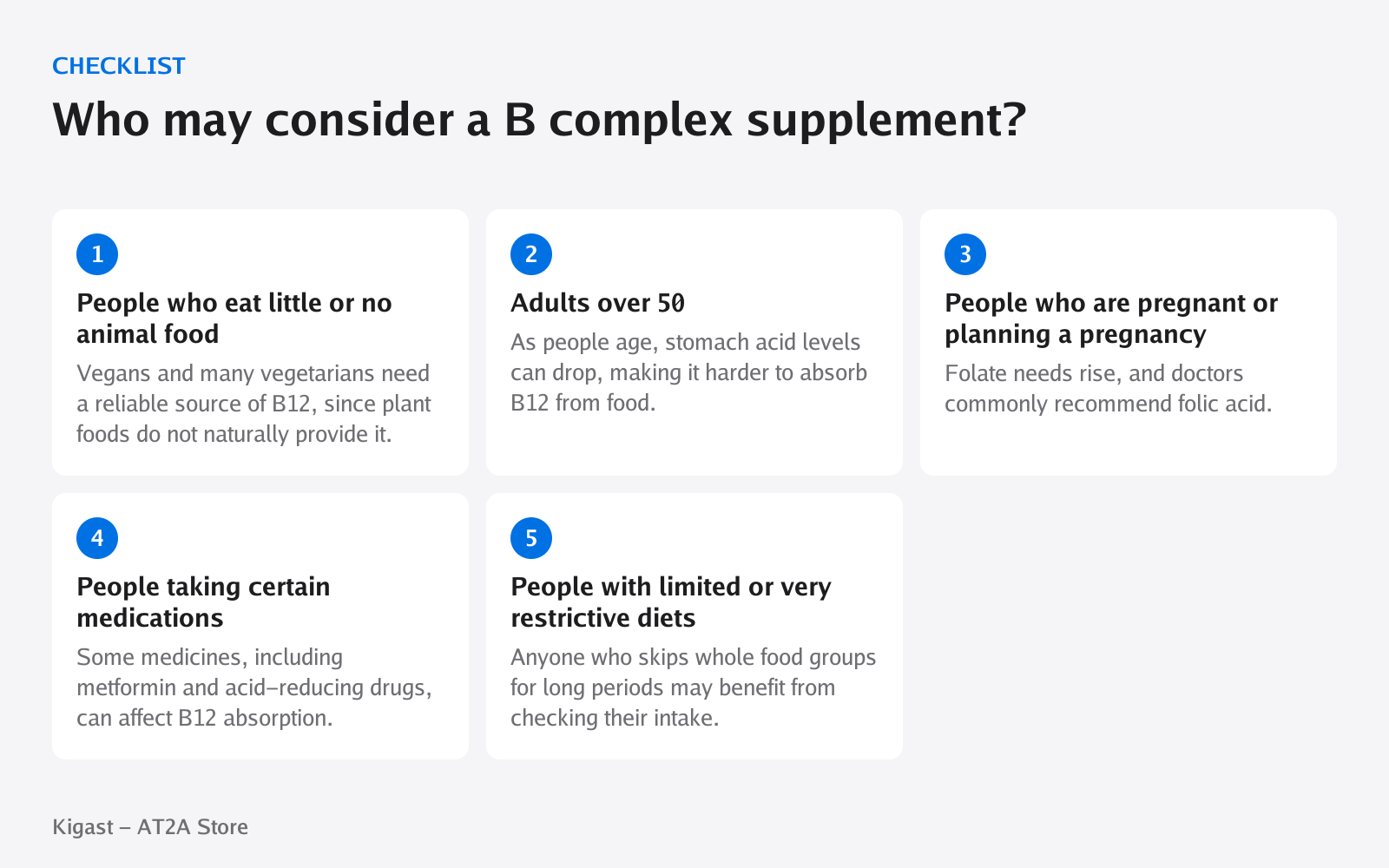
- Vegans and vegetarians. B12 is not naturally present in plant foods, so a reliable source is needed.1
- Older adults. Depending on the definition, 3% to 43% of older adults living at home have low B12, especially those with atrophic gastritis.1
- People who could become pregnant. Folic acid needs rise; follow your own provider's advice.3
- People on certain medicines. Metformin and acid-reducing drugs such as omeprazole can affect B12 levels.1 Ask your pharmacist whether yours is one of them.
When is the best time to take vitamin B complex?
Any time of day works; consistency matters more than the hour. You can take it with or without food. Folic acid is well absorbed either way, with at least 85% absorbed when taken with food.3 If your formula contains nicotinic acid and it makes your skin flush, taking it with a meal is a common way to make it more comfortable.
Plan when to take a B complex with the AT2A supplement timing tool.
Liquid drops or tablets: which is better?
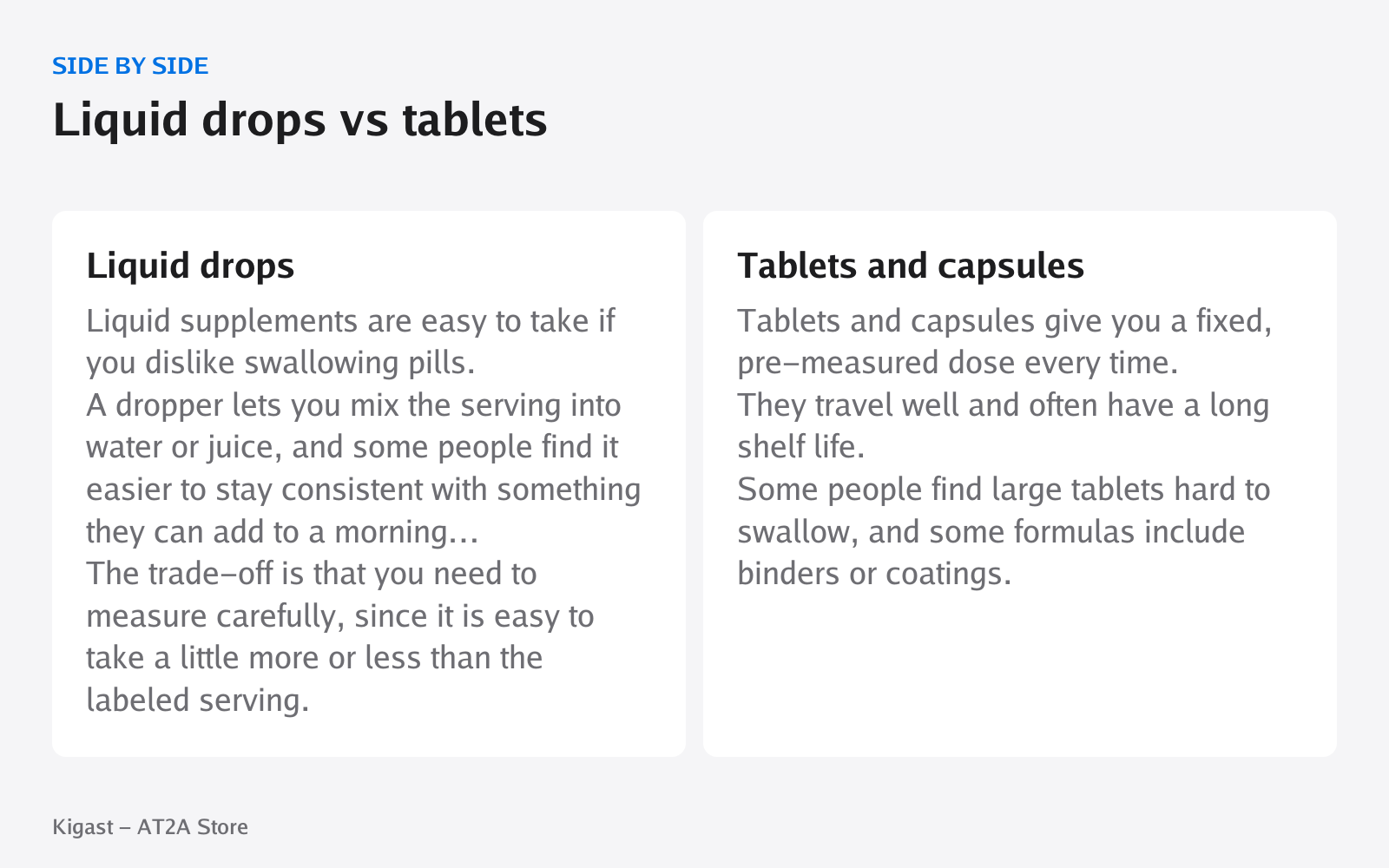
Neither form is automatically better. Drops are easy if you dislike pills and can be mixed into a drink, but you need to measure carefully. Tablets and capsules give a fixed dose every time and travel well. The label matters more than the format.
How do you read a B complex label safely?
Start with the Supplement Facts panel, not the front of the bottle: it shows the serving size, the amount of each vitamin per serving and the percent Daily Value.
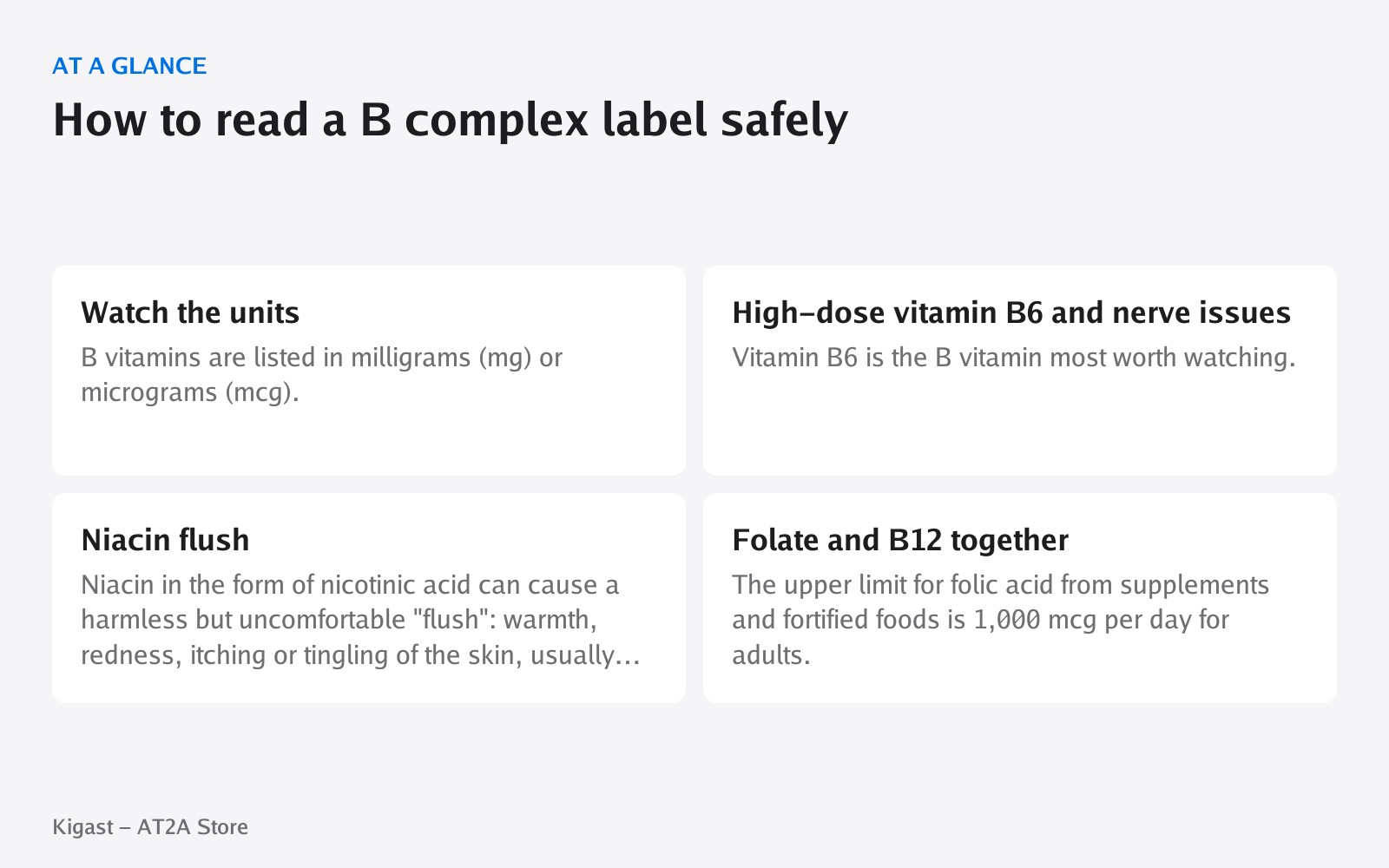
- Watch the units. 1 mg equals 1,000 mcg, so 3,400 mcg is 3.4 mg. Convert to the same unit before comparing with the table above.
- Vitamin B6 is the one to watch. Taking 1 to 6 g a day for 12 to 40 months can cause severe nerve damage with loss of balance and control of movement.2 The adult upper limit is 100 mg a day.2 Add up B6 from every product you take, and stop and see your doctor if you notice numbness or tingling.
- Niacin. Stay under 35 mg a day from supplements and fortified foods unless your doctor advises otherwise.4
- Folic acid and B12 together. Keep folic acid at or under 1,000 mcg a day. Large amounts of folate can correct the anemia of B12 deficiency without fixing the nerve damage, which can hide a B12 problem.3
B complex at AT2A
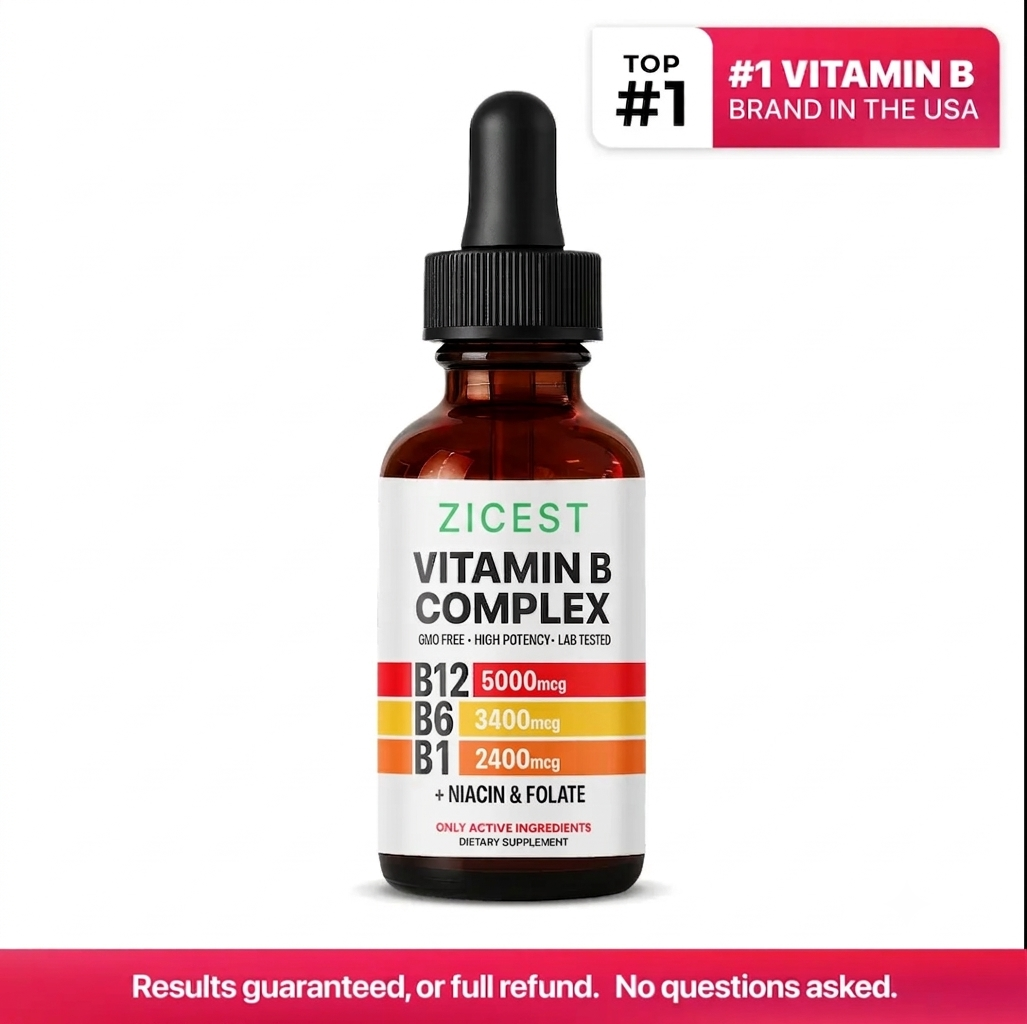
If a liquid suits you, the 5-in-1 Vitamin B Complex is a dropper supplement. The front label lists vitamin B12 5,000 mcg, vitamin B6 3,400 mcg (3.4 mg) and vitamin B1 2,400 mcg (2.4 mg), plus niacin and folate, and describes it as GMO free and lab tested. Check the Supplement Facts panel for the serving these amounts refer to, and count B6 from any other products you take.
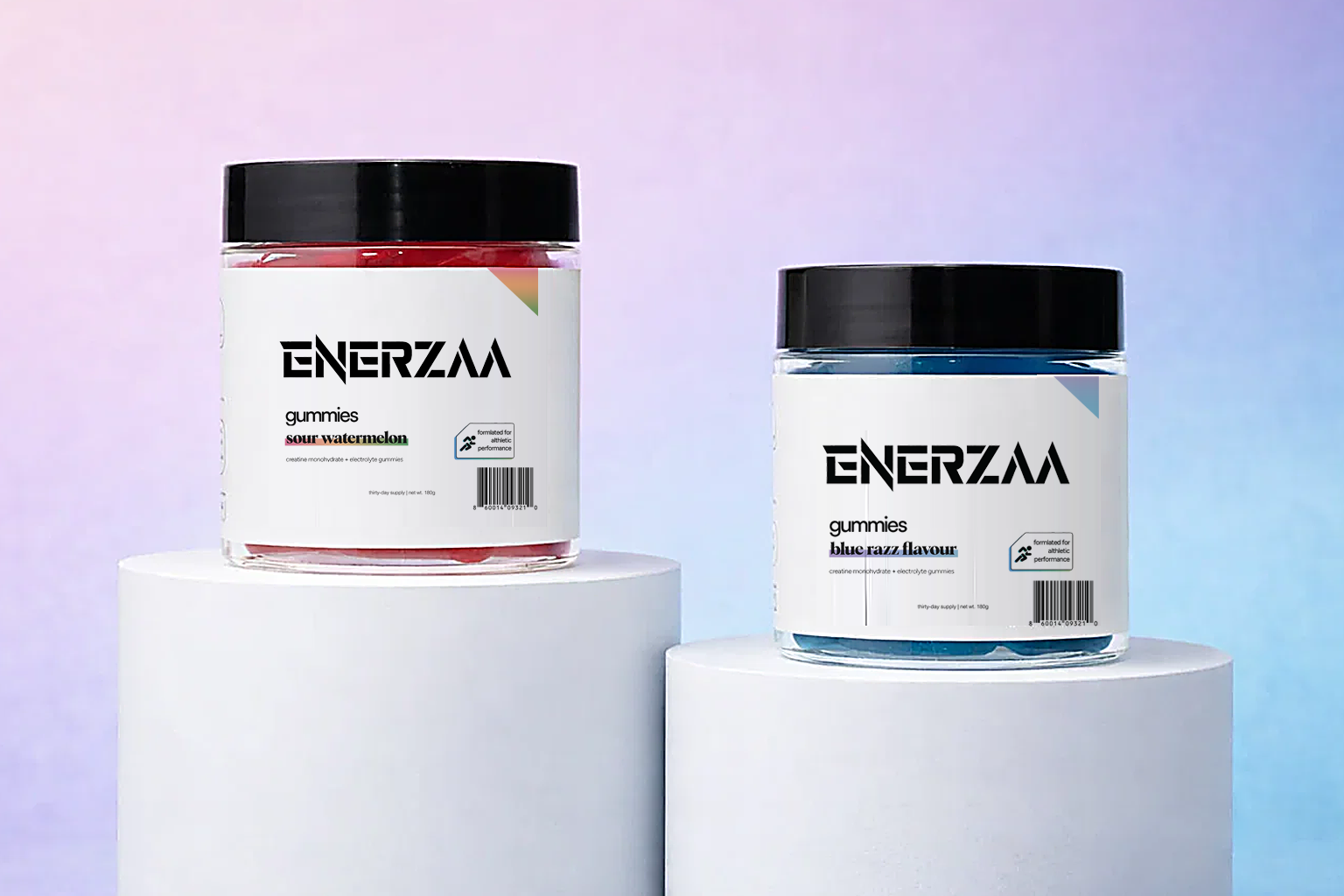
If you train regularly, you may also be interested in Enerzaa Creatine Complex Gummies, creatine monohydrate plus electrolyte gummies. See our creatine guide.
Frequently asked questions
What are the main vitamin B complex benefits?
B vitamins help your body turn food into energy and support normal nerve function, red blood cell formation and DNA synthesis. A B complex helps most when your diet or health makes you likely to fall short.
Can I take a B complex every day?
Yes, B complexes are designed for daily use. Stay within the upper limits for B6 (100 mg), niacin (35 mg) and folic acid (1,000 mcg), counting all your supplements.
Can I take vitamin B complex at night?
Yes. There is no required time of day; take it when you will remember it.
Does vitamin B12 give you more energy?
Only if you are low in it. B12 supplements appear to have no benefit for energy or performance in people who already get enough.
Is a large B12 dose like 5,000 mcg safe?
No upper limit has been set for B12 because it has low potential for toxicity, and only a small share of a large dose is absorbed. Ask your doctor if you have a health condition or take medicines.
Sources
- Vitamin B12: Fact Sheet for Health Professionals, NIH Office of Dietary Supplements (accessed 2026-10-13)
- Vitamin B6: Fact Sheet for Health Professionals, NIH Office of Dietary Supplements (accessed 2026-10-13)
- Folate: Fact Sheet for Health Professionals, NIH Office of Dietary Supplements (accessed 2026-10-13)
- Niacin: Fact Sheet for Health Professionals, NIH Office of Dietary Supplements (accessed 2026-10-13)
- Thiamin: Fact Sheet for Health Professionals, NIH Office of Dietary Supplements (accessed 2026-10-13)
These statements have not been evaluated by the Food and Drug Administration. This product is not intended to diagnose, treat, cure, or prevent any disease.